How B2B Wholesale Platforms Support International Trade
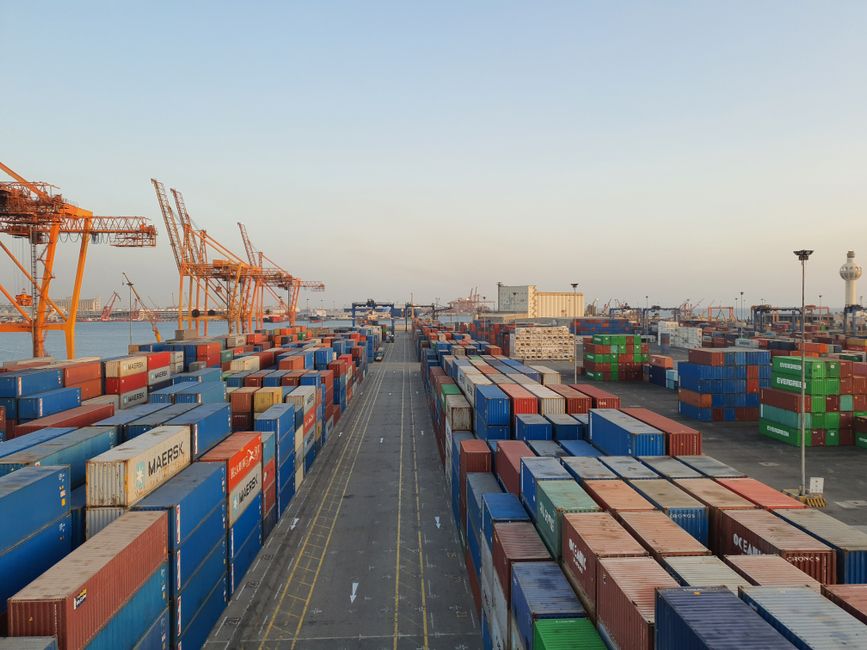
A B2B wholesale ordering platform handles the technical and operational barriers that make international trade difficult: multi-currency pricing, automated tax and duty calculations, compliance documentation, and connections to verified buyers in other countries. Brands that sell domestically through manual processes often avoid export markets because the added complexity feels unmanageable. A platform built for wholesale removes that friction by automating the steps that otherwise require legal research, spreadsheet management, and constant email back-and-forth.
Multi-currency pricing and payment processing
B2B platforms display prices in the buyer's local currency and process payments through region-specific gateways. A retailer in Germany sees euros, a buyer in Japan sees yen, and the brand receives payment in its home currency without manual conversion or exchange rate guesswork. The platform applies real-time exchange rates at checkout and routes the transaction through the appropriate payment processor.
This removes the need for separate price lists per country and eliminates the confusion that kills deals when a buyer has to calculate costs themselves. Platforms that integrate with services like Balance, Resolve, or TreviPay also extend net terms and instant credit vetting to international buyers, so brands can offer 30- or 60-day payment windows without taking on unmanageable risk.
Automated tax, duty, and compliance calculations
Cross-border sales trigger tariffs, VAT, GST, and import duties that vary by product category, country of origin, and destination. A B2B platform calculates these costs at checkout based on harmonized tariff codes and the buyer's location, then includes them in the order total or separates them as a line item, depending on the Incoterm.
The platform generates the commercial invoice, packing list, certificate of origin, and any other documents required by customs in the destination country. Brands that handle this manually often delay shipments or make errors that result in rejected shipments or unexpected fees. Automation means the documents are correct and attached to every international order without additional work.
Platforms that connect to ERP or WMS systems like NetSuite, SAP, or Microsoft Dynamics 365 pull product data directly, so tariff classifications and country-of-origin details stay accurate as inventory changes.
Access to verified international buyer networks
Finding retail buyers in other countries is harder than finding domestic accounts because the usual prospecting methods do not scale across borders. Directories are incomplete, cold outreach gets lower response rates, and vetting a buyer's creditworthiness requires access to foreign credit bureaus or trade references.
B2B platforms and services that specialize in wholesale often maintain databases of verified international buyers. Get Wholesale Orders, for example, uses a database of over 140,000 verified retail buyers and offers distributor and importer matchmaking as part of its export and global trade services. A brand that wants to enter the UK or Australia can work with a service that already has relationships in those markets instead of starting from scratch.
Marketplaces like Faire and RangeMe also surface international buyers, though the platform handles fulfillment terms and often limits the brand's control over pricing and customer relationships. A dedicated B2B portal gives the brand more flexibility while still connecting to buyers through targeted outreach.
Flexible shipping terms and freight coordination
International orders require clear agreement on who pays for shipping, when risk transfers from seller to buyer, and which party handles customs clearance. B2B platforms support standard Incoterms like FOB, CIF, DDP, and EXW, so the buyer selects the term that matches their logistics setup and the platform adjusts pricing accordingly.
Some platforms integrate with freight forwarders and bonded warehouses, so brands can offer consolidated shipping or store inventory closer to international markets without opening a foreign office. This reduces lead times and shipping costs, which are often the deciding factors for buyers comparing suppliers.
Brands that use a fulfillment partner or 3PL can connect the B2B platform to that system, so international orders route automatically to the correct warehouse and the buyer receives tracking information without manual updates.
Language and localization features
A buyer in France or Brazil is more likely to complete an order if the portal displays product descriptions, terms, and navigation in their language. B2B platforms with localization features translate the interface and allow the brand to upload region-specific content without maintaining separate sites.
Localization also includes adjustments to product assortments, minimum order quantities, and packaging requirements. A buyer in the EU may need different labeling or smaller case packs than a U.S. retailer. The platform can present different catalogs or pricing tiers based on the buyer's location, so the brand does not have to manually manage separate terms for each region.
Centralized order management across regions
When a brand sells in multiple countries, orders come in through different channels: direct outreach, marketplaces, trade shows, and the B2B portal. A platform with a unified dashboard consolidates those orders in one place, so the team sees every international deal in the pipeline and tracks fulfillment status without switching between systems.
Platforms that integrate with CRM or ERP systems sync order data automatically, so accounting, inventory, and customer records stay current. This is especially important for brands that offer net terms or manage repeat orders, because the platform tracks payment schedules and reorder dates across all regions.
Compliance with data privacy and export controls
Selling internationally means complying with data protection laws like GDPR in Europe or PIPEDA in Canada. B2B platforms that handle customer data must meet those standards, or the brand takes on legal risk. Platforms hosted in the EU or with GDPR-compliant infrastructure manage consent, data access requests, and retention policies automatically.
Export controls also apply to certain products, especially in electronics, chemicals, and food. A B2B platform can block orders to restricted countries or flag transactions that require an export license, so the brand does not accidentally violate trade regulations.
Reporting and analytics for international performance
A brand expanding into new markets needs to know which countries generate the most orders, which products sell best in each region, and where customer acquisition costs are lowest. B2B platforms provide dashboards that break down sales by country, compare performance across regions, and track metrics like average order value and reorder rate.
This data helps brands decide where to invest in marketing, which regions need localized product lines, and when to shift from direct sales to working with a distributor. Platforms that integrate with ad and email tools also track which campaigns drive international orders, so the brand can adjust outreach based on what actually works in each market.
When to add international sales to your wholesale strategy
Brands should consider international expansion when domestic wholesale is stable, margins can absorb the added shipping and compliance costs, and the product line has demand signals from other countries (inquiries, marketplace interest, or trade show conversations). Starting with one or two target countries reduces complexity and lets the brand test logistics and buyer relationships before scaling.
A B2B platform makes that process manageable by handling the technical requirements, but the brand still needs a plan for customer support, returns, and long-term buyer relationships. Services like Get Wholesale Orders manage the entire process, from building the B2B portal to outreach and compliance documentation, so brands can enter new markets without hiring a dedicated export team.
Frequently asked questions
Can a B2B platform handle VAT and GST for international orders?
Yes. B2B platforms calculate VAT, GST, and import duties at checkout based on the buyer's location and product category, then include those costs in the order total or as a separate line item depending on the agreed Incoterm.
How does a B2B platform help brands find buyers in other countries?
Platforms connect to verified buyer databases, distributor networks, and international marketplaces. Some services also offer outreach campaigns targeting retail buyers in specific countries, so brands do not have to prospect from scratch.
What shipping terms do B2B platforms support for international orders?
Most platforms support standard Incoterms like FOB, CIF, DDP, and EXW, which define who pays for shipping, when risk transfers, and which party handles customs clearance. The buyer selects the term at checkout and the platform adjusts pricing.
Do I need a separate B2B portal for each country I sell to?
No. A single B2B platform can display multiple currencies, languages, and region-specific pricing or catalogs. The buyer sees a localized experience based on their location, but the brand manages everything from one system.
How do B2B platforms handle compliance documents for customs?
The platform generates commercial invoices, packing lists, certificates of origin, and other required documents automatically when an international order is placed. These documents are based on product data from the brand's ERP or inventory system.